
Categories & subcategories (14)
A Summary of the Article:
Admin · 2025-07-07 · 2 min read · 31 views · Dance
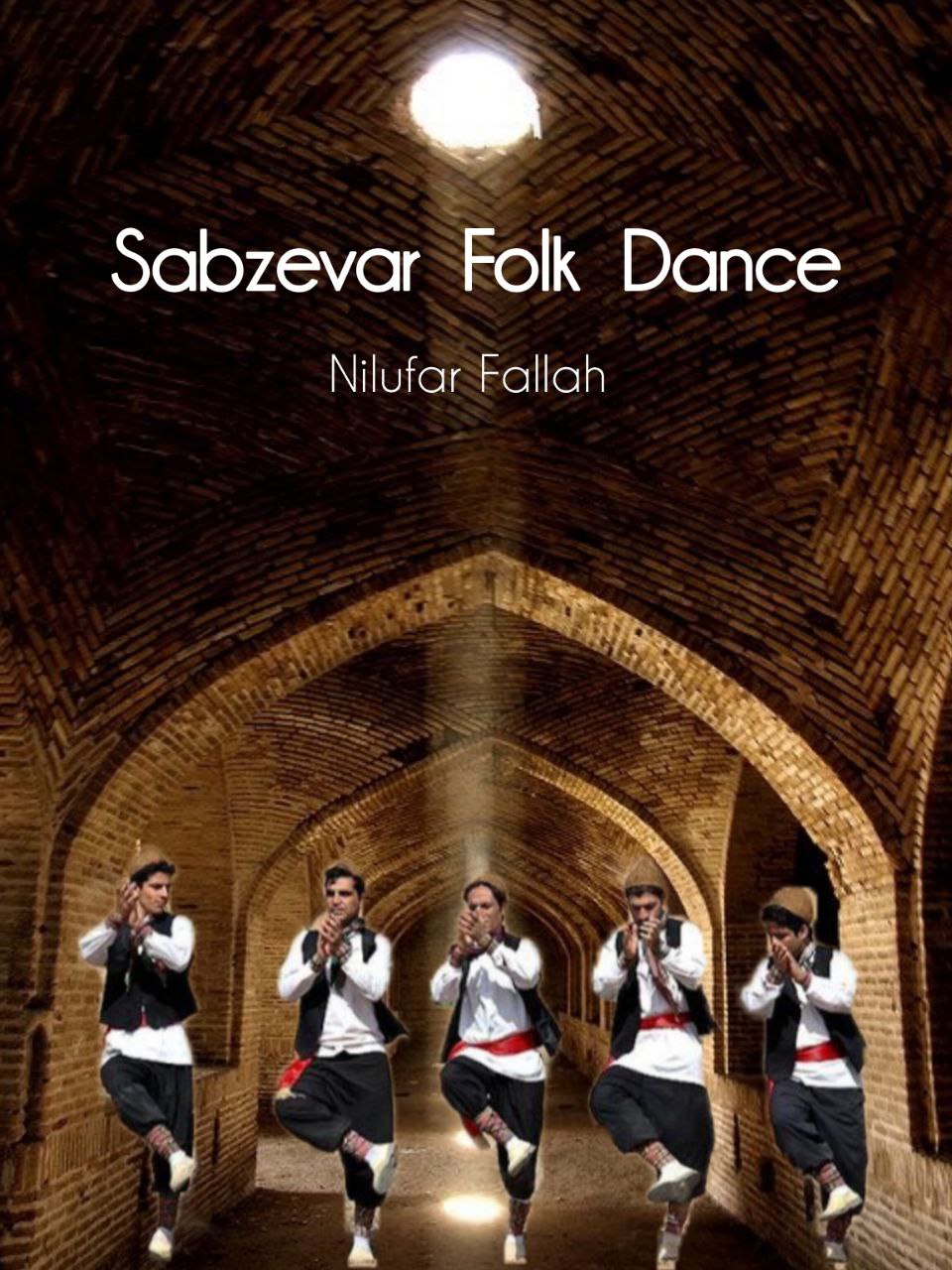
Photo: ???? ??? ??????
This is a condensed version of the original article titled "Traditional Dances of Sabzevar", will be published in the Persian Dance Encyclopedia, Persian Awards.
Traditional or folk dances are deeply rooted in the beliefs, history, and collective memory of local communities. In Sabzevar, the renowned Choob-Bazi (Stick Dance) is more than just a performance—it is a historical reflection of the people’s resistance against the Mongol invasion.
During the Mongol attack in the 13th century, Sabzevar resisted occupation for six months due to its fortifications. The Mongols ultimately resorted to deception, using a lunar eclipse and fabricated divine warnings to enter the city. Following the occupation, which lasted 120 years, people were banned from bearing arms or receiving combat training.
In response, local heroes such as Heidar Karabi and Abdolrezaq Bashtini organized a covert resistance movement that led to the establishment of the Sarbedaran government. In the absence of weapons, the people turned to sticks as training tools. Disguised as joyful celebrations, these stick dances became a clever way to practice battle techniques under Mongol surveillance.
The dance movements—like fast spins (to avoid ambush), powerful strikes with one or two sticks, and jumps (symbolizing attacks on horse-mounted enemies)—each carried martial significance. Special garments worn by performers are inspired by traditional warrior attire, complete with felt wraps and symbolic headgear.
The Wooden Horse Ritual, also a cultural highlight, depicts the destructive presence of the Mongols, using black and red imagery to represent darkness and bloodshed. This ritual is performed annually to commemorate the defeat of the Mongols.
Today, Sabzevar’s traditional dances remain a vibrant symbol of unity, resistance, and cultural pride, with both men and women participating—each movement still echoing the spirit of resilience that shaped their origin.
By: Nilufar Fallah
Dance Persian Dance Dance Article Iranian Folk Dance
Comments (0)
Log in to comment